
Transmission and treatment of tuberculosis
![]() |
Tubercle bacillis in culture © CDC / Dr George Kubica |
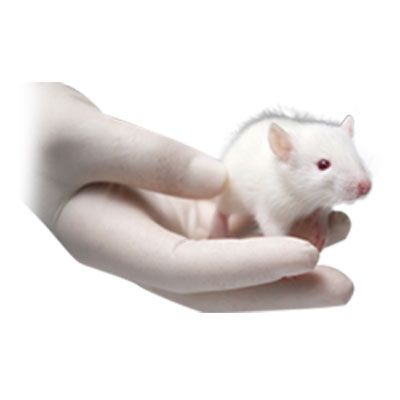
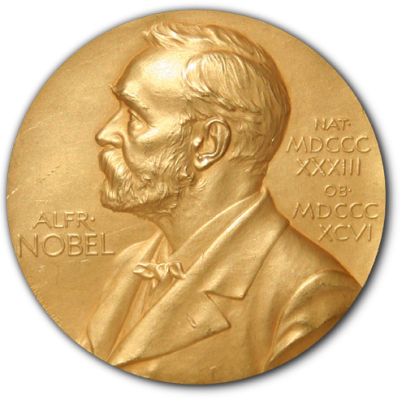
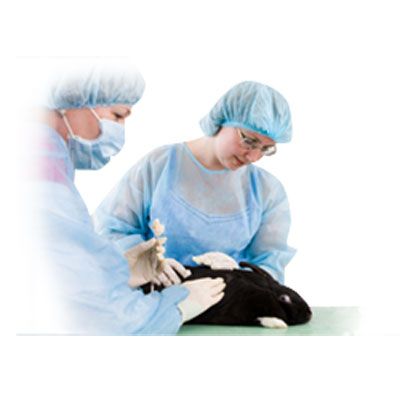
Over his incredible career Robert Koch’s made many discoveries, but received his Nobel Prize for contributions to understanding the causes of tuberculosis. He was the first person to show that bacteria caused infectious disease, and provided a methodology for showing whether a parasitic organism was responsible for a disease. Koch stained the organism in infected tissue and isolated it into a pure culture. He then inoculated an experimental animal with this culture, and observed whether showed symptoms of the disease. With this method he demonstrated both that tuberculosis was infectious, and that it was caused by the bacteria Tubercle Bacillus.
He also showed that the bacillus was dependant on its host organism for development, and that the disease was primarily spread through the phlegm of consumptives. This meant it could be controlled through care of the sick and good hygiene. He developed a means of diagnosing tuberculosis in its early or dormant stages, and showed that tuberculosis in humans and cattle were caused by different bacteria. Demonstrating the effect of the isolated bacteria on animals, to show which ones caused disease was a major step forward for medicine, which allowed identification of the organisms responsible for many diseases.
(yes)
Tags
Research Fields: Biochemistry, Cell biology, Infection and Immunity, Medical technologies, Disease characteristics, Drugs & toxins(yes - 6 items)Date: 1905 (required)
Scientist(s): Robert Koch (required)
Countries: Germany(yes - 1 items)
Animals Used: Rat, Mouse, Guinea pig(required - 3 items)
Description: Transmission and treatment of tuberculosis (yes)
Medical Applications: Medicine, Basic research(yes - 2 items)