Blood transfusion

The storage and transfusion of sterile, compatible blood or blood constituents is a routine and life saving procedure. Its development depended on animal experimentation carried out by many physicians and scientists. It finally became possible to store and transfuse blood in the early 20th Century.

Early Research

In 1667 the Frenchman Prosper Denis1 transferred the blood of a lamb into a young man. Severe anaemia occurred and thus the concept of transfusion fell out of favour.
However, the main reason transfusion was not more often attempted or even researched was that it was a technically difficult procedure - the only available apparatus was animal quills or silver tubes - and there was no way of preventing blood from clotting. Even after Karl Landsteiner defined the blood groups in 1900, and recipients and donors could be precisely matched, transfusion was a risky procedure.

Key developments of the early 20th Century

Animal experiments over the years 1900-1916 gradually enabled transfusion to become the routine technique it is today. In 1907 George Crile2 perfected the technique of transfusion from artery to vein using dogs, and described its application in 32 patients. The next major breakthrough was by Adolph Hustin in 1914,3 who found that adding sodium citrate to the blood prevented it from clotting and, that the citrated blood could be safely transfused into dogs. In 1915 Richard Lewisohn4 advanced this finding by determining the maximum amount of citrate that could be transfused into dogs without toxicity. This revealed the optimum concentration of sodium citrate that could be added to blood for the best anticoagulant effect.

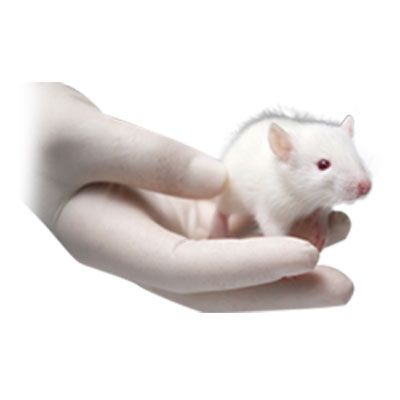
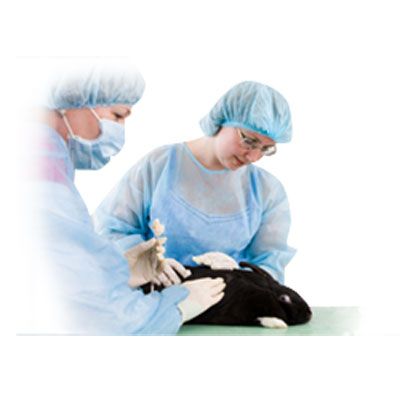
A further break-through came in 1915 when Richard Weil5 showed that this citrated blood could be stored for two days and still be effective when transfused into guinea-pigs and dog which had lost blood. These experiments were followed by Peyton Rous and Joseph Turner’s work on rabbits in 1916,6 demonstrating that with certain additives and proper treatment, blood could be stored for 14 days and then successfully transfused.

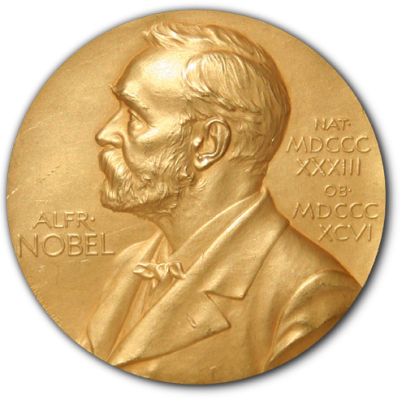
All of these experiments made the prolonged storage of incoagulable blood possible, enabling the establishment of blood banks and blood transfusion to become a routine procedure. Peyton Rous was was awarded the Nobel Prize in 1966, for his many contributions to medicine.

References

1. Zimmerman L & Howell K (1932) Ann Med History 4, 415

2. Crile G (1907) Ann Surg 46, 329

3. Hustin A (1914) J Med Brux 2, 436

4. Lewisohn R (1915) Surg Gyn Obstet 21, 37

5. Weil R (1915) JAMA 64, 425

6. Rous P & Turner J (1916) J Exp Med 23, 219

(yes)

Tags

Research Fields: Heart, lung & circulation, Medical technologies(yes - 2 items)

Date: 1915 (required)
Scientist(s): George Crile, Adolph Hustin, Richard Lweisohn, Richard Weil, Peyton Rous, Joseph Turner (yes)
Countries: United States of America, Belgium(yes - 2 items)

Animals Used: Rabbit, Guinea pig, Dog(yes - 3 items)

Medical Applications: Surgery, Medicine(yes - 2 items)

  • Blinklist  
  • Blogmarks  
  • Bluedot  
  • Del.icio.us  
  • Digg  
  • Diigo  
  • Friendsite  
  • FURL  
  • Ma.gnolia  
  • Google Bookmarks  
  • Netvouz  
  • Newsvine  
  • Reddit  
  • Simpy  
  • StumbleUpon  
  • Tailrank  
  • Technorati  
  • Yahoo  
  • View the top 10
  • Site tools
  • Print this page
  • Send to a friend
  • Subscribe to RSS
  • Look in Dictionary