
Trypanosomiasis (Sleeping sickness / nagana)
![]() |
Tsetse fly feeding |
The Trypanosomes parasites are carried by the tsetse fly and cause both sleeping sickness in humans, and the similar disease, nagana in cattle. The tsetse fly is found across a vast region of Africa, where these diseases are endemic. Without treatment sleeping sickness is fatal, and threatens the lives of millions. The impact of nagana can be similarly devastating as vast numbers of cattle are lost with serious implications for the livelihoods of African farmers.
Strategies for controlling sleeping sickness and nagana were outlined by Alphonse Laveran, in work which won him the 1907 Nobel Prize for medicine. Since then measures to control the tsetse fly have been in place, but the reservoir of parasites in wild populations of mammals such as antelope and boar is large, and the disease remains difficult to control.
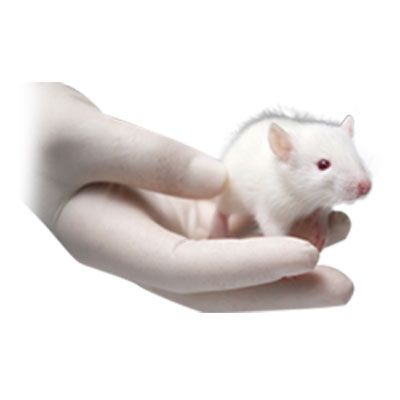
A major collaborative project is currently being undertaken to study the genetics of the disease and the development of resistance in cattle and mice. So far 5 regions of the mouse and 10 regions of the cattle genome have been found which are associated with resistance. The hope is to develop better strategies for control of Trypanosomes and to breed cattle which are naturally resistant to nagana.
(yes)Tags
Research Fields: Evolution & environment, Genetics, Infection and Immunity, Disease characteristics(required - 4 items)Animals Used: Mouse (knockout/GM), Cow(required - 2 items)
Related documents
|
|
Royal Veterinary College research grant highlights 2006 Fighting uterine infection, improving the health of pigs and the foetal programming of appetite and obesity |