
Motor neurone disease (amyotropic lateral sclerosis)

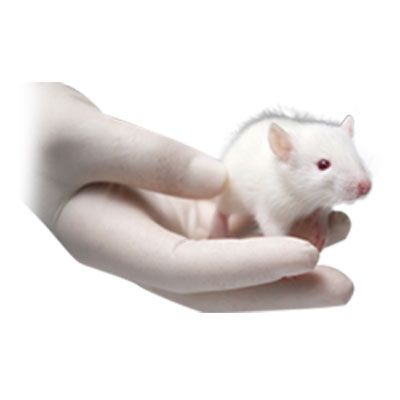
Five thousand people in the UK have motor neurone disease (MND), known in the US as amyotrophic lateral sclerosis, ALS, and Lou Gehrig's disease (after a legendary baseball player of the 1930s). Two people get it every week in the UK, and most of them survive for only 2-5 years. It affects motor nerons (nerve cells), which control movement. There are several forms of the disease and although the causes are unknown, a number of ways in which motor neurons can be affected have been identified since 1992, and these have been studied in rats and mice1,2.

> Genetics

> Growth Factors

> Gene Therapy

> Drug Therapy

> Stem Cell Therapy

> References 

Genetics

Strains of mice with a genetic form of the disease, either naturally occurring or genetically engineered, should improve understanding of the disease and enable potential therapies to be tested. In 2002 scientists made transgenic rats with MND, which should speed evaluation of novel treatments and deepen understanding of the disease3. They carry an abnormal human gene for an enzyme called superoxide dismutase (SOD1). Faulty SOD1, caused by a number of different genetic mutations, is at the root of one-fifth of inherited MND cases.

SOD1 depends on copper for its function, but removing copper did not prevent the onset of the disease in MND mice. In mice with abnormal SOD1 it was shown that the enzyme acts via non-neuronal cells to cause motor nerve damage4. In MND rats with a SOD1 mutation, specialised non-neuronal brain cells called astrocytes play a key role in the early steps of the disease5, and astrocyes harbouring MND mutations cause damage to previously healthy adjacent motor nerves6. The mutant enzymes work by migrating to the powerhouses (mitochondria) of the spinal cord neurons and killing them from within7.

In 2003 a coalition of international research organisations made a crucial discovery about the molecular genetics of MND, using mice. It explains how certain genes cause selective death of motor neurons, and the scientists were able to breed mice with a very exact form of the disease8 . Also, in 2003 it was found that a strain of MND mice called mnd2 had a mutation in a gene that codes for an enzyme called Omia9 , and this might provide a clue to some forms of the human disease.

One way that motor neurones can be damaged and destroyed became clear during the study10 of a new strain of mouse carrying a gene (NF-H) that causes nerve cells to produce too many filaments. Many MND patients carry a similar NF-H gene. The mice show characteristics of MND, and it is thought that the excess filaments cause MND by consuming excessive amounts of the nutrients required to keep nerve cells alive. These strains therefore make good models of this disease.

Growth factors

A gene for another growth factor, called VEGF, protects against MND in humans, and when it mutates, it results in an increased risk of developing the disease. VEGF protected mice with damaged motor nerves11 and VEGF suppression in mice resulted in deterioration similar to that seen in human MND12

Then, in 2004, scientists bred a mouse with a form of MND called spinal and bulbar muscular atrophy13; the mice had abnormal androgen receptors, which interfered with VEGF, confirming the role of this growth factor in the disease. Shortly afterwards, it was shown that a single injection of a virus carrying a gene for VEGF delayed onset and slowed progression in MND mice. It also increased survival without any apparent adverse effects14.

Another growth factor is also involved in the disease. The gene that makes IGF1, insulin-derived growth factor, was injected into muscles of MND mice, from where it migrated into adjacent nerve cells and started to make IGF115 which extended survival and improved strength. This was the most beneficial treatment seen in mice and the first to increase survival after symptoms develop.

Inhibitors of an enzyme called caspase have prolonged the life of mice with NMD16. There are 14 different caspases, and they play a key role in programmed cell death. While blocking all of them may have undesirable effects, blocking the function of one particular caspase improved the survival of MND mice from an average of 25 days to 35 days17. Treatment with other enzymes called catalases has increased the survival of MND mice18.

Gene therapy

MND mice have been used to test gene therapy for the disease. Mice with a type of MND were injected with a virus carrying the gene for nerve growth factor. They lived 50% longer, lost fewer nerve fibres and had improved neuromuscular function compared with untreated mice19.

Drug therapy

In 2002, researchers demonstrated that a combination of three drugs, now being tested for human therapy, reduced disease progression and delayed death in MND mice. The drugs were minocyline, an antibiotic with anti-inflammatory properties; riluzole, the traditional MND drug; and nimodipine, a drug normally used to treat brain haemorrhage and for prevention of migraine headache20. About 20% of hereditary cases of MND are caused by a mutation that disrupts the heat shock response, a mechanism that protects cells from stress. A drug called arimoclomol improves muscle function in mice bearing this mutation and prolongs lifespan21.

Stem cell therapy

Human umbilical stem cells, taken from the placental cord following birth, migrate to damaged areas of brain and spinal cord in MND mice22. When human embryonic germ cells were injected into the fluid around the spinal cord of 15 paralysed rats the animals had improved control of their hind legs – but not in the way the scientists had expected. The implanted human cells produced two important molecules: one that improved nerve cell survival, and one that enabled nerve cells to remain in contact with each other. The rats’ own nerve cells were healthier in the animals that received human cells. Most of the implanted cells migrated into the spinal cord, becoming astrocytes and even motor neurons. However, only about four cells per animal became motor nerve cells that extended out from the spinal cord and reached into and controlled muscle23.

August 2004

References

1. Brady, S (1995) Interfering with the runners Nature 375, 12
2. Collard JF, Cote F, & Julien JP (1995) Defective axonal transport in a transgenic mouse model of amyotrophic lateral sclerosis Nature 365, 61
3. Subramaniam JR, Lyons WE, Liu J (2002) Mutant SOD1 causes motor neuron disease independent of copper chaperone-mediated copper loading. Nature Neuroscience 5, 301
4. Clement AM, Nguyen MD, Roberts EA et al (2003) Wild-type non-neuronal cells extend survival of SOD1 mutant motor neurons in ALS mice. Science 302, 113
5. Howland DS, Liu J, She Y et al (2002) Focal loss of the glutamate transporter EAAT2 in a transgenic rat model of SOD1 mutant-mediated amyotrophic lateral sclerosis (ALS). Proc Nat Acad Sci 99, 164
6. Clement AM, Nguyen MD, Roberts EA et al(2003) Wild-type nonneuronal cells extend survival of SOD1 mutant motor neurons in ALS mice. Science 302, 113
7. Liu J, Lillo C, Jonsson PA et al (2004) Toxicity of familial ALS-linked SOD1 mutants from selective Recruitment to spinal mitochondria. Neuron 43, 5
8. Hafezparest M, Klocke R, Ruhrberg C et al (2003) Mutations in dynein link motor neuron degeneration to defects in retrograde transport. Science 300, 808
9. Jones JM, Datta P, Srinivasula SR et al (2003) Loss of Omi mitochondrial protease activity causes the neuromuscular disorder of mnd2 mutant mice. Nature 425, 721
10. Collard JF, Cote F, & Julien JP (1995) Defective axonal transport in a transgenic mouse model of amyotrophic lateral sclerosis. Nature 365, 61
11. Lambrechts D, Storkebaum E, Morimoto M, et al (2003) VEGF is a modifier of amyotrophic lateral sclerosis in mice and humans and protects motoneurons against ischemic death. Nature Genetics, 34, 383
12. Oosthuyse B, Moons L, Storkebaum E et al (2001) Deletion of the hypoxia-response element in the vascular endothelial growth factor promoter causes motor neuron degeneration. Nature Genetics, 28, 131
13. Sopher BL, Thomas PS, LaFevre-Bernt MA (2004) Androgen receptor YAC transgenic mice recapitulate SBMA motor neuronopathy and implicate VEGF164 in the motor neuron degeneration. Neuron 41(5), 687
14. Azzouz M, Scott Ralph GS, Storkebaum E et al(2004). VEGF delivery with retrogradely transported lentivector prolongs survival in a mouse ALS model. Nature 428, 413
15. Kaspar BK, Lladó J, Sherkat N et al (2003) Retrograde viral delivery of IGF-1 prolongs survival in a mouse ALS model. Science 301, 839
16. Li M, Ona VO, Guégan C, Chen M et al(2000) functional role of caspase-1 and caspase-3 in an ALS transgenic mouse model. Science 288, 335
17. Inoue H, Tsukita K, Iwasato T et al(2003) The crucial role of caspase-9 in the disease progression of a transgenic mouse model. EMBO J, 22, 6665
18. Poduslo JF, Whelan SL, Curran GL, Wengenack TM (2000) Therapeutic benefit of polyamine-modified catalase as a scavenger of hydrogen peroxide and nitric oxide in familial amyotrophic lateral sclerosis transgenics. Ann Neurol 48, 943
19. Haase G, Kennel P, Pettmann B et al(1997) Gene therapy of murine motor neuron disease using adenoviral vectors for neurotrophic factors. Nature Medicine 3, 429
20. Kriz J, Gowing G, Julien J-P (2003 Efficient three-drug cocktail for disease induced by mutant superoxide dismutase. Annals Neurol 53, 429
21. Kieran D, Kalmar K, Dick JRT et al (2004) Treatment with arimoclomol, a coinducer of heat shock proteins, delays disease progression in ALS mice. Nature Medicine 10, 402
22. Garbuzova-Davis S; Willing AE; Zigova T et al (2003) Intravenous administration of human umbilical cord blood cells in a mouse model of amyotrophic lateral sclerosis: distribution, migration, and differentiation. J Hematotherapy Stem Cell Res 17, 255
23. Kerr DA, Llado J, Shamblott MJ (2003) Human embryonic germ cell derivatives facilitate motor recovery of rats with diffuse motor neuron injury. J Neurosci 23, 5131

(yes)

Tags

Research Fields: Genetics, Brain & nervous system, Drugs & toxins(yes - 3 items)

Animals Used: Rat, Mouse (knockout/GM)(required - 2 items)

  • Blinklist  
  • Blogmarks  
  • Bluedot  
  • Del.icio.us  
  • Digg  
  • Diigo  
  • Friendsite  
  • FURL  
  • Ma.gnolia  
  • Google Bookmarks  
  • Netvouz  
  • Newsvine  
  • Reddit  
  • Simpy  
  • StumbleUpon  
  • Tailrank  
  • Technorati  
  • Yahoo  
  • View the top 10
  • Site tools
  • Print this page
  • Send to a friend
  • Subscribe to RSS
  • Look in Dictionary