
The importance of dietary vitamins
![]() |
White and brown rice |
Christaan Eijkman attempted to find the pathogen responsible for beriberi – a disease characterised by loss of feeling in the legs and feet, breathing problems and heart failure – by injecting the blood of soldiers with the disease into chicks. Although some animals became ill, he realised that they were all fed on leftovers from the soldiers’ meals. The soldiers were fed on white rice, which had the ‘polishings’ removed to increase its shelf life. He showed that restoring the rice polishings to the diets of the chickens restored their health. Eijkman later discovered that in prisons where brown rice was eaten, beriberi was almost unknown, providing good support for his work.
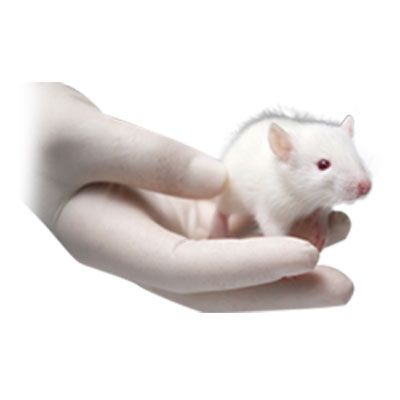
Gowland Hopkins showed that illness could be caused by lack of nutrients in the diet in 1912. He investigated the nutritional needs of rats and mice, feeding young rats on casein, lard sucrose, starch and minerals. Half the group also received 2ml of milk daily. Those receiving the milk grew well, and after 2 weeks he switched the groups. The rats which now had milk in their diet began to grow normally, and after staying at the same weight for two weeks, the other group began to fall ill. He suggested that the basic diet must lack some fundamental nutrient (later termed vitamin A), and that this problem was similar to diseases caused by poor diet in humans.
Tags
Research Fields: Anatomy & development(yes - 1 items)Date: 1929 (required)
Scientist(s): Christiaan Eijkman, Frederick Gowland Hopkins (required)
Countries: United Kingdom, Netherlands(yes - 2 items)
Animals Used: Rat, Mouse, Chicken(required - 3 items)
Description: The discoveries of Eijkman and Hopkins led the understanding that certain dietary vitamins are essential for health. (yes)
Medical Applications: Medicine, Basic research(yes - 2 items)